2026 Hiring in Review: A Low-Hire Market With a High-Friction Process
2026 was not a collapse and not a boom. It was a year where few people were fired, few were hired, and the hiring process itself got heavier. Here is the year in numbers, and the playbook for 2027.
Internal Team
If you tried to sum up the 2026 job market in one line, “low-hire, low-fire” would be it. Layoffs stayed limited and people with jobs mostly kept them, but hiring stayed weak enough that finding work remained difficult for job seekers and new entrants.
This review uses data through October 2026. It covers the macro picture, what happened inside hiring processes, where AI changed the math, and what talent teams should plan for in 2027.
The macro picture: slow growth, few exits
The October jobs report showed employers adding 165,000 jobs, with unemployment edging down to 4.1%. That beat expectations, but context matters. It followed a weak September, when employers added just 29,000 jobs, and the year-to-date average sits at about 68,000 jobs a month.
The September JOLTS data tells the same story from the demand side:
- Job openings: 7.5 million, a rate of 4.5%
- Hires: 5.4 million, the highest since March
- Quits: about 3.4 million, the most in nearly three and a half years, though much of the increase came from restaurants and hotels
- Layoffs: 1.6 million, the lowest in about a year and a half
- Openings per unemployed person: 1.06
The takeaway is simple. Employees are not leaving much and employers are not firing much, so fewer seats open up. When a seat does open, a lot of people want it.
The process got heavier, not lighter
The volume of hiring is only half the story. The effort needed to complete a single hire kept climbing.
- Time to hire: about six weeks. Ashby’s EMEA data shows 37 to 43 days since 2021, tracking closely with the Americas, so the wait did not shrink even as volume grew. In ManpowerGroup’s Q4 survey, 28% of employers globally said time to hire got faster versus 2025 and 41% said it stayed about the same.
- Applications per hire: about triple the 2021 level, averaging more than 300 applications per role, according to Ashby.
- Odds of an interview: candidates are 50% less likely to get an interview than five years ago, also per Ashby.
- Company size matters: Employ Inc. found enterprises averaging 35.4 days to hire, while small businesses took 56.4 days.
Smaller teams feel this most. They have fewer recruiters, fewer process owners, and less slack when a hiring manager goes quiet.
Ghosting hit a three-year high
Heavier pipelines create more silence, and candidates noticed. Criteria Corp’s 2026 Candidate Experience Report found that 53% of job seekers were ghosted by an employer in the past year. That is up from 48% in 2025 and 38% in 2024.
Candidates in a flooded pipeline often wait with no signal about where they stand. If you want the deeper dive, see Why Candidates Ghost After Interviews and The Hiring Manager Bottleneck.
AI raised volume on both sides of the table
AI made applying easier. In Clutch’s 2026 survey, 86% of job seekers said AI let them submit more applications each week. Recruiters responded with more automation: 93% plan to increase their AI use, according to LinkedIn’s 2026 research.
The result is an arms race where applicants send more and screeners filter harder. Neither side feels heard. We covered the recruiter side in The Application Flood Is Here.
Entry-level: a split picture
The entry-level story is more mixed than the headlines suggest.
- The pessimistic read: As of May, Indeed Hiring Lab shows entry-level postings down 7.5% year over year while senior postings rose 14.7%. BLS data shows unemployment for workers aged 20 to 24 at 7.5% in October, against 4.1% overall.
- The optimistic read: ManpowerGroup’s Q4 global survey found 45% of employers adding early-career talent compared with 2025, against 20% pulling back.
Postings and employer intentions are pointing in different directions. Expect that gap to close in 2027, and watch which number moves first.
2026 at a glance
| Measure | 2026 figure | Source |
|---|---|---|
| October payroll growth | +165,000 | BLS |
| Unemployment rate (October) | 4.1% | BLS |
| Job openings (September) | 7.5 million | BLS JOLTS |
| Hires (September) | 5.4 million | BLS JOLTS |
| Average time to hire | 37 to 43 days | Ashby (EMEA data) |
| Job seekers ghosted in past year | 53% | Criteria Corp |
| Entry-level postings, year over year (May) | -7.5% | Indeed Hiring Lab |
Five lessons for 2027 hiring plans
- Plan for longer cycles and publish them. If six weeks is the norm, tell candidates what your stages and timelines are up front. Expectations are easier to meet when they are stated.
- Treat every open role as scarce. With fewer hires being made, each offer carries more weight. Watch where strong candidates drop out before the offer, as covered in Why Your Best Candidates Drop Out Before the Offer.
- Measure the wait, not just the outcome. Track days in stage without an update. It predicts frustration long before a survey does.
- Do not let automation be the only voice. AI screening is here to stay, but handoffs without notice cause drop-off. See Candidates Are Walking Out of AI Interviews.
- Prepare for a thaw. Quits at a multi-year high and rising hires suggest worker confidence may be returning. If candidates regain options, silence will cost you more than it did this year.
FAQ
What does “low-hire, low-fire” mean?
It describes a labor market where layoffs are limited and existing workers are secure, but employers hire slowly, which makes it hard for job seekers and new entrants to land roles.
How long does hiring take in 2026?
Around six weeks. Ashby reports 37 to 43 days, and Employ Inc. found enterprises averaging 35.4 days versus 56.4 for small businesses.
Is the job market improving?
The September and October data showed a rebound in openings, hires, and quits. Monthly numbers have been volatile all year, so treat one strong report with caution.
What should recruiting teams prioritize in 2027?
Shorter and clearer hiring cycles, proactive candidate updates, and honest job postings.
The bottom line
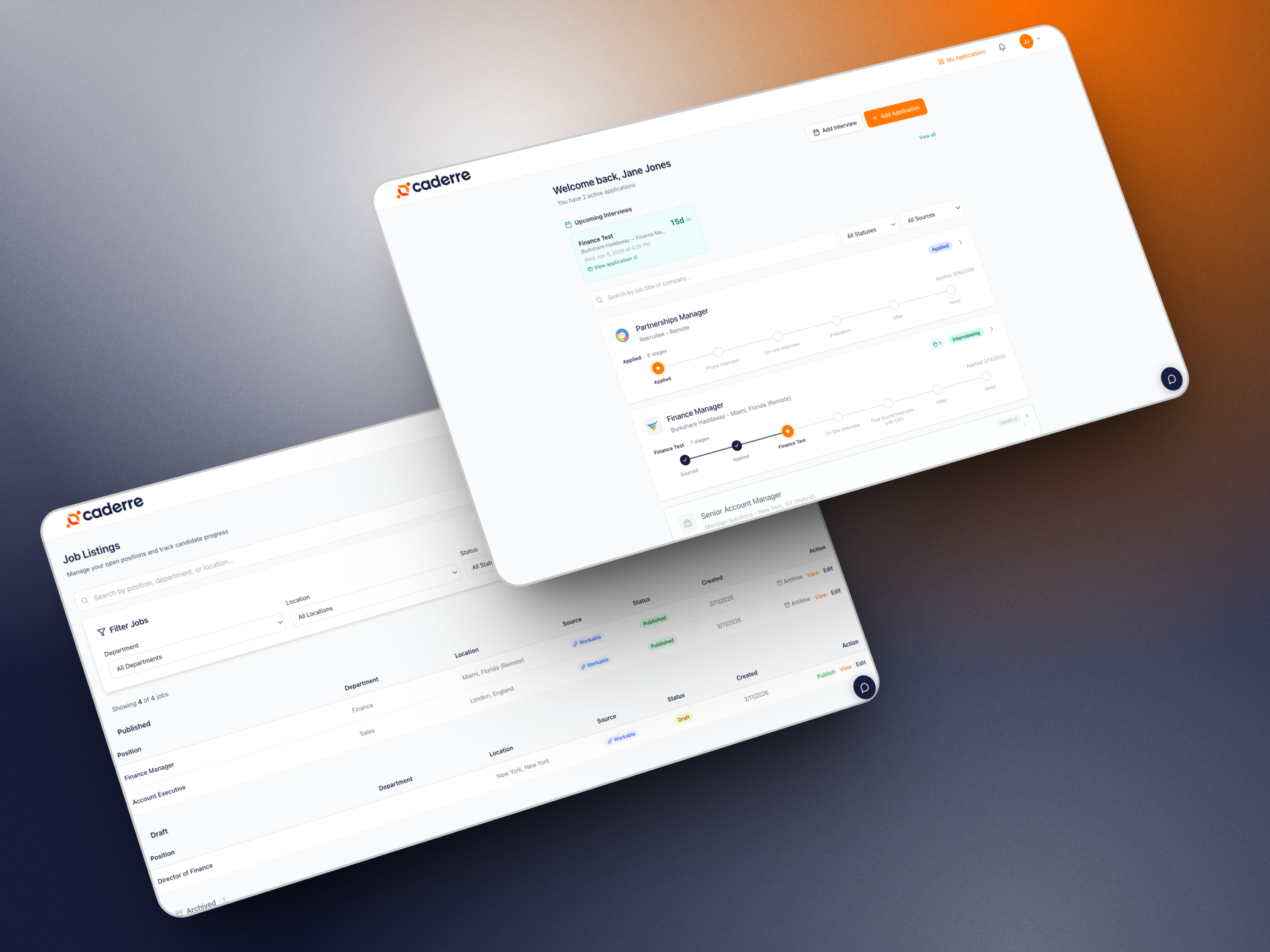
In a market where hires are scarce, the only variable most teams fully control is how the process feels. Candidates will tolerate a slow market. They will not tolerate silence inside it. Caderre gives candidates real-time application status pulled directly from your ATS, so every stage of a six-week process is visible without extra work for your recruiters.
Sources
- AP via ABC7: https://abc7news.com/story/us-employers-added-surprising-165000-jobs-october-unemployment-rate-dipped-41/20020018/
- BLS Employment Situation, October 2026 (via Hunt Scanlon): https://huntscanlon.com/u-s-economy-adds-165000-jobs-in-october-as-unemployment-rate-edges-down-to-4-1-percent/
- BLS Employment Situation, September 2026: https://www.bls.gov/news.release/pdf/empsit.pdf?stream=top
- BLS unemployment rate, 20-24 yrs (via FRED): https://fred.stlouisfed.org/graph/?g=1XRG4
- BLS JOLTS September 2026: https://www.bls.gov/news.release/jolts.nr0.htm?stream=top
- Reuters via Virginia Business: https://virginiabusiness.com/us-job-openings-rise-september-layoffs-lowest/
- TheStreet JOLTS recap: https://pro.thestreet.com/market-commentary/jolts-report-strong-across-the-board
- HR Dive on Ashby application volume: https://www.hrdive.com/news/recruiters-see-job-applications-triple-to-more-than-300-per-role/820096/
- Ashby EMEA talent trends: https://www.ashbyhq.com/ashby-one/2026/london/talent-trends
- Recruiting News Network on Employ Inc.: https://www.recruitingnewsnetwork.com/posts/employers-are-hiring-faster-but-struggling-with-candidate-engagement-experience-employ-inc
- Fortune on Criteria’s report: https://fortune.com/2026/03/20/job-seekers-arent-imagining-things-candidates-ghosted-by-employers-hit-three-year-high/
- Clutch State of AI Hiring 2026: https://clutch.co/resources/state-ai-hiring
- LinkedIn Research Talent 2026: https://news.linkedin.com/2026/LinkedIn-Research-Talent-2026
- Indeed Hiring Lab: https://www.hiringlab.org/2026/07/23/the-labor-market-is-tilting-toward-seniority/
- ManpowerGroup Q4 2026 outlook: https://investor.manpowergroup.com/node/69
See Caderre in action
Connect your ATS and give candidates real-time visibility into their application status. Free 14-day trial, no credit card required.
Start free trialShare this article